

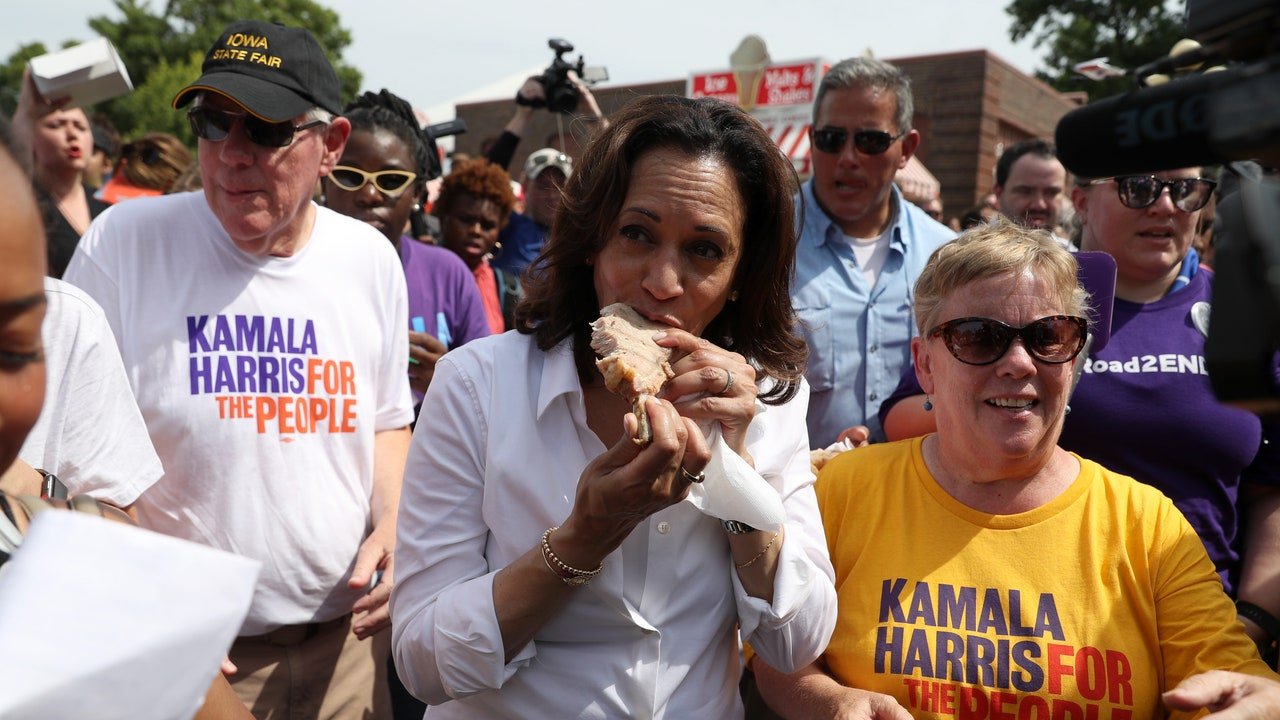
If Harris wins the White House, her identity as a black South Asian woman from a middle-class background will mark a critical moment for intersectional feminism. This term may sound jargony to some, but it simply explains how multiple social identities impact an individual’s experience.
A Harris presidency could reshape the narrative about black women and food. As food studies scholar Psyche Williams-Forson establishes in her book Build a house with chicken legs and black man eatingHistorically, Black women who cook have been relegated to the role of mother, celebrated primarily for their cooking abilities while their agency has been ignored. By embracing food politics in her platform, Harris can challenge these reductive stereotypes. She can re-center the conversation around Black women’s contributions to food culture, emphasizing their roles as leaders and innovators. This shift will acknowledge the profound impact of Black women’s food justice and health equity activism.
In some ways, we’ve been here before. Barack Obama is a famous food lover. But in 2007, while visiting an Iowa farm, the then-candidate stood among soybean and corn fields and told the farmers gathered there that the price of arugula at Whole Foods Market had recently depressed his mood. Since there is no Whole Foods Market in Iowa yet, Obama has been ridiculed by various news outlets and has become even more silent on food issues.
When it comes to food policy, the Obama administration is arguably best known not for his actions but for those of his wife. The First Lady’s “Let’s Move” campaign was the driving force behind the Healthy Hunger-Free Kids Act, which established new nutrition standards for school foods for the first time in three decades, ultimately improving school nutrition and reducing child poverty of obesity. So, technically, Harris wouldn’t be the first woman in the White House to use food policy as a platform.
However, as the country’s top elected official, Harris will have the power to make further changes to food policy. The Harris administration is likely to continue the work set out at the 2022 Biden-Harris White House Conference on Hunger, Health and Nutrition, the first of its kind in 50 years, which outlined a plan to end hunger and reduce diet-related National plans for diseases such as obesity and type 2 diabetes. Notably, the plan includes a call for the introduction of clear front-of-pack food labeling — a policy the FDA will propose this fall. Real-world data shows that these types of labels prompt companies to produce more nutritious products and consumers to make healthier choices. While some members of the Trump campaign have recently focused on making America healthy again, those policies are likely to be stifled under a Trump administration that supports deregulating the food industry and reducing the role of federal agencies.
